OCD therapy that actually treats OCD.
OCD isn't a personality quirk or a preference for neatness. It's a pattern of intrusive, unwanted thoughts (obsessions) paired with mental or physical rituals (compulsions) done to relieve the anxiety those thoughts produce. Effective OCD treatment is specific — talk therapy alone can make OCD worse. Our clinicians are trained in the exposure-based approaches the research supports.
OCD hides in plain sight. It can look like checking the stove ten times, replaying a conversation to make sure you didn't offend someone, silently praying to cancel out a scary thought, or asking your partner the same reassurance question in different words. The theme changes — contamination, harm, relationships, religion, sexuality, health — but the mechanism is the same: an intrusive thought produces intense distress, and a ritual temporarily makes that distress go away. Over time the rituals grow, the reassurance stops working, and the whole system starts running the day.
Signs it may be time to reach out
- intrusive thoughts you can't dismiss, even when you know they don't fit who you are
- mental rituals — counting, praying, replaying, checking memories — no one else sees
- seeking reassurance from partners, family, or Google that briefly relieves and then returns
- avoidance of specific places, people, or activities that trigger the thoughts
- hours per day lost to checking, cleaning, or 'just-right' rituals
- 'pure O' — obsessions without visible compulsions, but constant mental work
Who this often affects
- adults who have been managing OCD quietly since childhood
- teens whose OCD is being mistaken for anxiety or perfectionism
- new parents with intrusive harm thoughts about their baby
- clients whose previous therapy made OCD worse by offering reassurance
- high-functioning professionals whose rituals hide in their work
How we treat OCD
OCD responds to Exposure and Response Prevention (ERP) — the gold-standard, research-supported treatment. ERP is not exposure for its own sake; it's a carefully sequenced practice of facing the thoughts and situations OCD tells you to avoid, while not doing the ritual that would normally follow. Done well, it retrains your brain's threat system. We combine ERP with Inference-Based CBT (I-CBT) and ACT for clients whose OCD centers on mental compulsions or moral/religious content.
Approaches our clinicians use
- Exposure and Response Prevention (ERP)
- Inference-Based CBT (I-CBT)
- Acceptance and Commitment Therapy (ACT)
- Cognitive Behavioral Therapy adapted for OCD
- Coordination with prescribing providers when SSRIs are part of the plan
What to expect from treatment
OCD treatment is more structured than general talk therapy. After a thorough OCD-specific assessment (the Y-BOCS and a functional analysis of your rituals), your therapist builds a hierarchy of situations that trigger obsessions, and you work up it together — first in session, then between sessions. A typical course runs 16–25 weekly sessions. Progress is measured, and you'll know it's working: rituals shrink, avoidance loosens, and the thoughts start losing their grip.
Your first sessions
Session one is a full OCD assessment — the specific themes, the rituals (visible and mental), how much of your day OCD runs, what you've already tried. Session two maps the pattern and introduces the treatment model so it makes sense before you start. By session three or four you're already doing gentle exposures with your therapist coaching you through response prevention.
Why Fort Worth Therapy Associates
Most therapists are not trained in ERP, and well-meaning general therapy — especially therapy that offers reassurance or endless analysis of the thoughts — is a documented way to make OCD worse. Our OCD-trained clinicians use the treatments the International OCD Foundation recommends, and because we're a psychologist-led practice, we can coordinate with a prescriber when medication is part of the plan.
What progress typically looks like
Most clients who complete a full course of ERP see clinically significant reduction in OCD symptoms — fewer rituals, less avoidance, more time back. OCD may not fully disappear, but it becomes something you know how to handle rather than something that runs your life.
Ready to talk to someone about OCD?
Our intake team will listen, and match you with a clinician trained in this work.
Frequently asked questions
- Is OCD the same as being organized or a perfectionist?
- No. OCD is defined by intrusive, distressing thoughts and rituals done to relieve anxiety — not by preferences. Someone with contamination OCD isn't 'clean'; they're exhausted. Someone with 'just-right' OCD isn't detail-oriented; they can't stop until the internal signal clears.
- Will talk therapy work for OCD?
- General talk therapy alone often doesn't work for OCD, and can inadvertently reinforce it by offering reassurance or endless analysis. The research strongly supports Exposure and Response Prevention (ERP), which is the approach our OCD-trained clinicians use.
- Do I need medication for OCD?
- Not always. Many clients do well with ERP alone. For moderate-to-severe OCD, SSRIs combined with ERP often work better than either alone. Your therapist can coordinate with a prescriber if that's the right fit.
- How long does OCD treatment take?
- A typical course of ERP runs 16–25 weekly sessions. You'll notice change earlier than that — usually within the first 6–8 sessions once exposures begin.
- Do you treat 'pure O' OCD?
- Yes. Purely mental OCD (harm, relationship, religious, sexual-orientation, or existential themes) is one of our specialties. The rituals are internal, but they're still rituals, and ERP + I-CBT still works.
Related services
A team trained in this work.
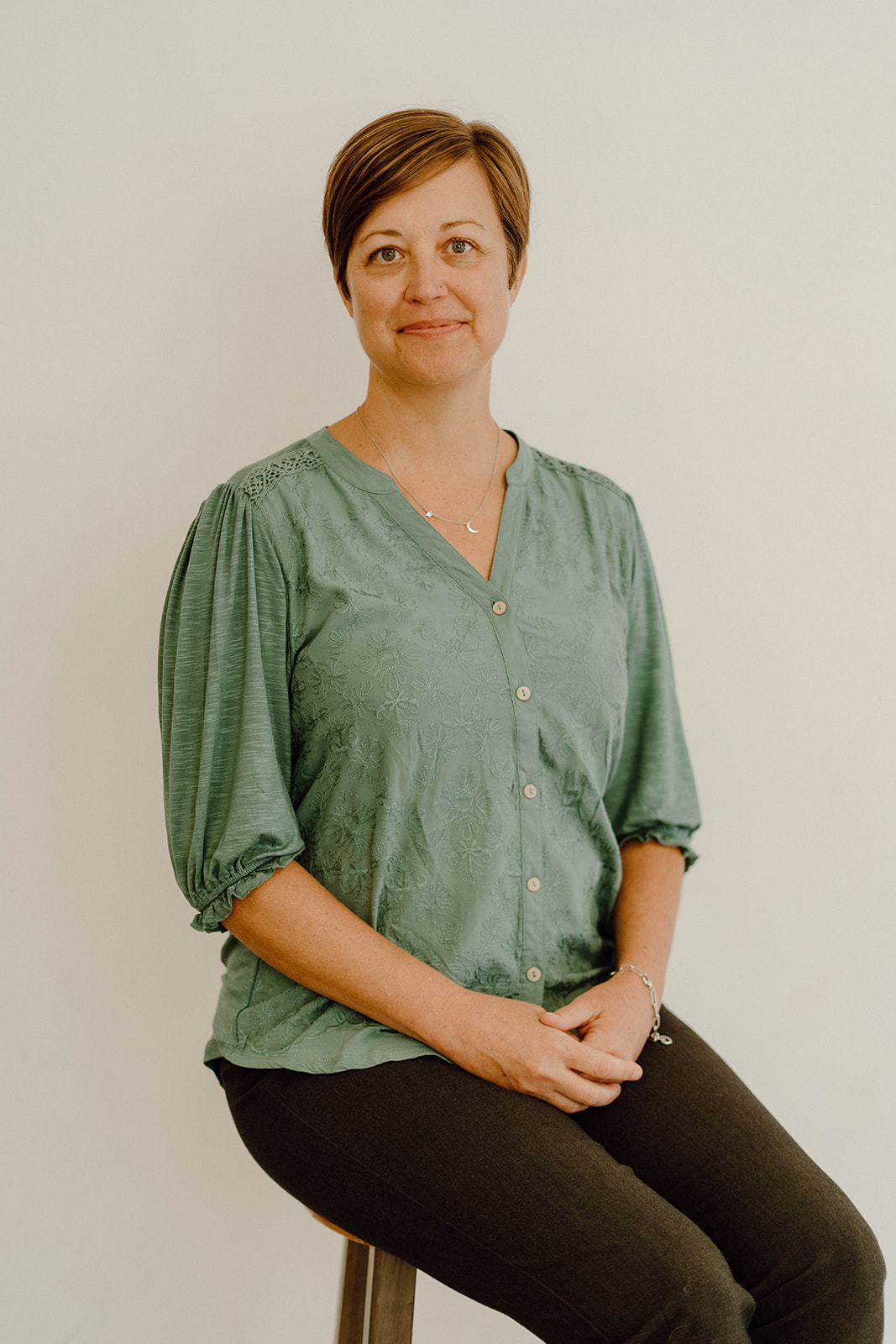
Kirsten Aurbakken, LPC-Associate
Supervised by Dr. Wendy Bates

David Mourlam, LPC-Associate
Supervised by Dr. Katerina Nair · Pronouns: they/he

Dr. Katerina Nair
Licensed Psychologist
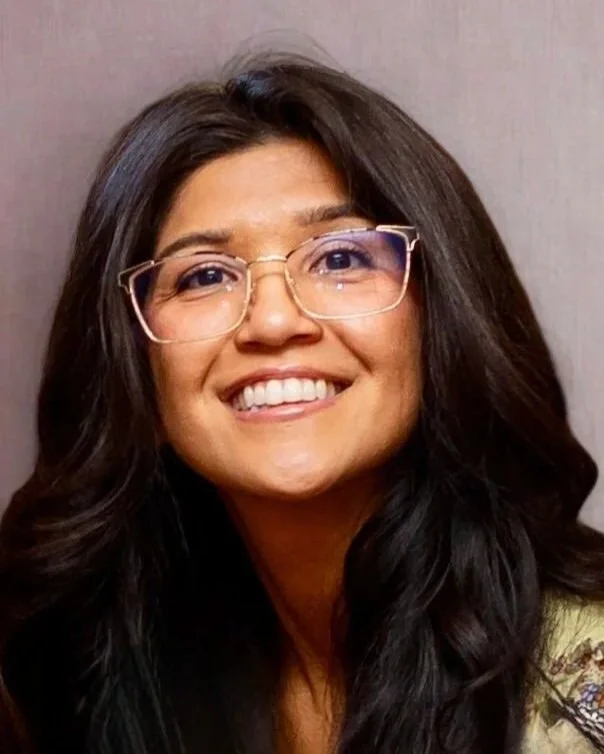
Dr. Juli Hishida
Licensed Psychologist
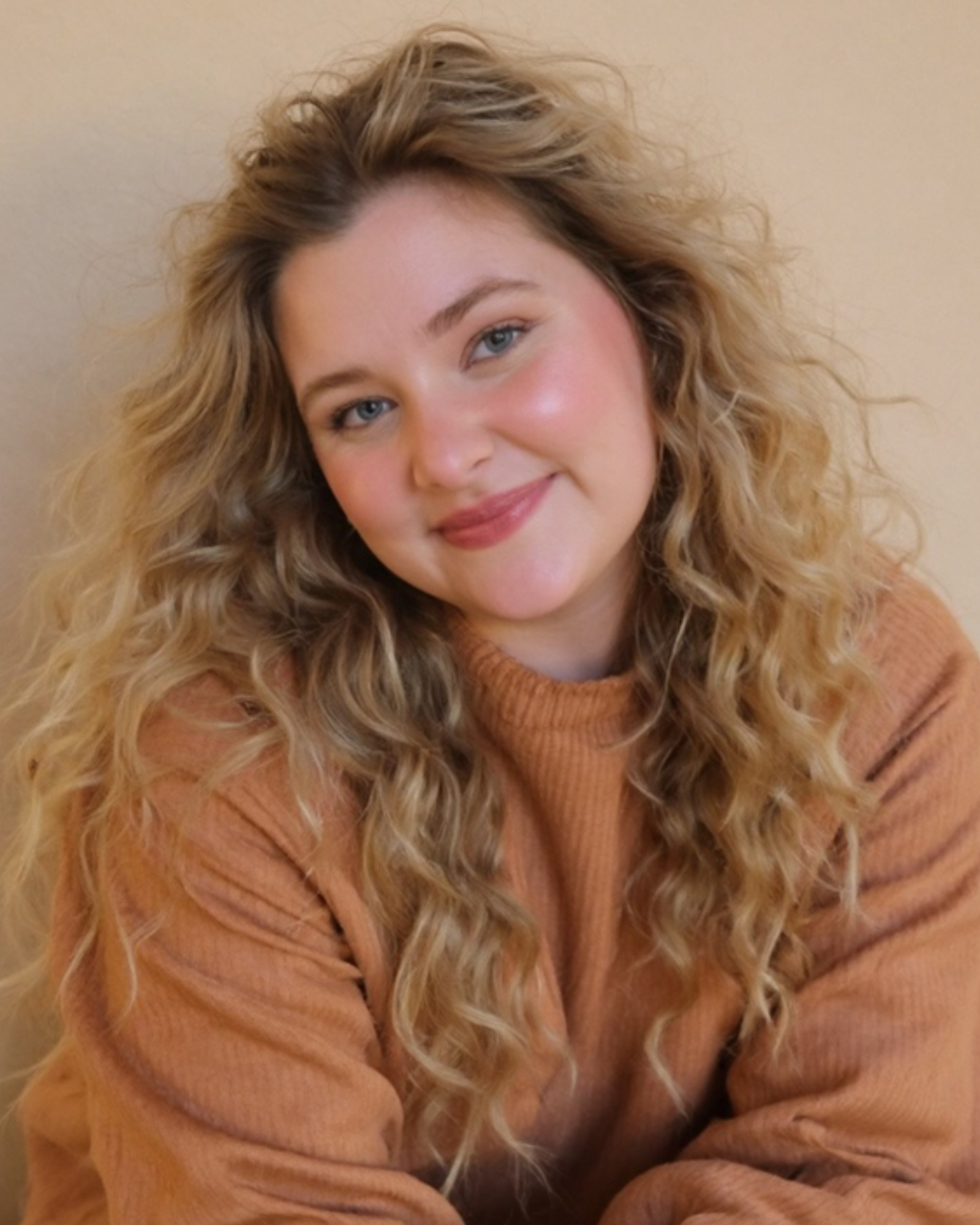
Taylor Reynolds, LPC-Associate
Supervised by Dr. Karla Gomez

Cyndi Gump, LPC
Licensed Professional Counselor

David Daugherty, LPC-Associate
Supervised by Dr. James Parker

Sarah Louy, LPC-Associate
Supervised by Dr. Karla Gomez
You don't need to know exactly what this is called.
Our intake team will listen and match you with a clinician trained in OCD, based on your goals, insurance, and preferred location.